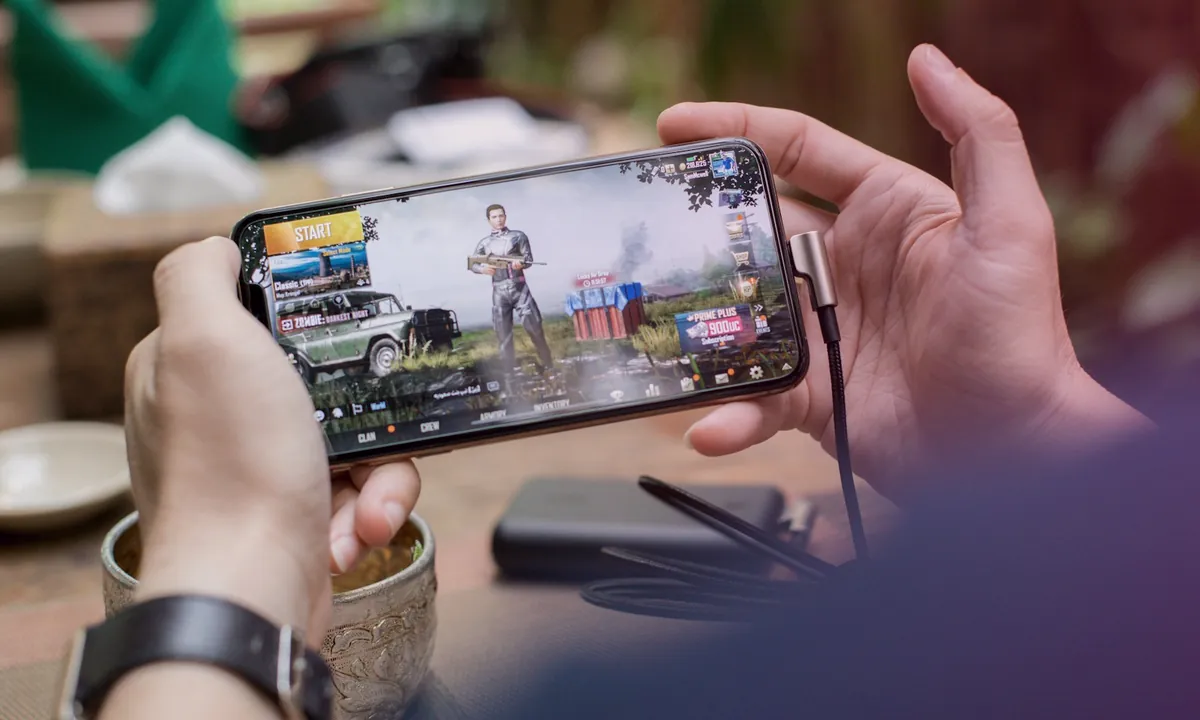
Mobile Game UA Creatives: Video variation for Game Offers
Why video variation matters especially for mobile game UA
Mobile game creatives live short, intense lives: the same gameplay clip often gets scaled across dozens of ad accounts and hundreds of ads simultaneously. That's exactly the situation where platforms detect duplicate content fastest — and where creative fatigue hits CTR and CPI harder than in most other verticals.
Unlike UGC clips in nutra or dating, mobile game creatives usually feature the gameplay itself on screen — so variation has to come from processing the footage and audio rather than swapping out an on-screen "actor."
What makes gameplay footage a special case for video variation
Gameplay recordings have their own constraints: lots of motion, small UI elements that matter for understanding the game, and a color palette specific to the title. That limits which video variation effects can be applied without hurting readability.
What usually works: gentle color correction, light cropping that preserves the key game UI in frame, moderate noise overlay, and pacing/edit changes that don't distort how the mechanics read. Aggressive distortions that suit emotional UGC video can hurt gameplay creatives specifically — a potential player needs to clearly understand what's happening on screen.
The audio layer matters too: many gameplay creatives use in-game music and sound effects, so audio video variation (drawn from 360 Uniquizer's 14 audio effects) needs to preserve clarity rather than turning the soundtrack into noise that pushes viewers away.
Creative variety as a scaling factor for UA campaigns
UA teams often test dozens of variations of the same base clip — different first 3 seconds, different CTA overlay text, different closing frames. Technical video variation (color, cropping, noise, audio) combines with creative variation (different hooks, different offer copy in overlays) — two distinct but complementary layers of work on the same source material.
Multi-threaded processing (up to 32 threads in 360 Uniquizer) is especially useful here because the combination space — base clip × hook variant × video variation variant — grows quickly, and manual or sequential processing stops being practical once you're trying to test a sufficiently broad pool of creatives at once.
PiP and split-screen in gameplay creatives
Picture-in-picture and split-screen formats fit mobile game UA particularly well — for example, gameplay on one part of the screen and player reaction (or a before/after comparison) on the other. These composite formats not only add visual variation beyond the base gameplay clip but also tend to fit naturally into vertical video formats on TikTok and Instagram Reels, where this vertical traditionally gets a meaningful share of both organic and paid traffic.
Scaling creative testing through video variation
Standard UA practice is broad creative testing with fast elimination of underperforming variants. Video variation helps on two levels: first, it produces more technically distinct versions of one winning concept without a full gameplay reshoot; second, it reduces the risk of a platform linking ads within the same account or ad account due to visual similarity, which could otherwise limit reach for the variants being tested.
Before launching a large batch of versions, it's worth running a sample through the built-in uniqueness check — a useful way to roughly confirm that versions are different enough from each other before allocating test budget.
What to keep in mind when building a UA process
- Preserve game UI readability at every level of video variation — this is a vertical-specific constraint that sets it apart from most other niches.
- Keep technical video variation (color, crop, noise, audio) and creative variation (hooks, overlays, CTAs) as two separate, parallel testing layers.
Reviewed and updated
Quick answers
Where should I start with this guide?
Record the baseline and choose one test goal. Change one factor at a time, then compare results over the same time window.
Why do I need unique video versions in this workflow?
Each account needs a separate file. 360° Uniquizer changes the visual layer, audio and metadata so the platform receives a new technically unique version without manual editing for every upload.
What affects reach besides the file itself?
The hook, retention, offer-audience fit, account history, content rights and platform compliance. A unique file solves the technical scaling step; the creative and funnel still need testing.
Official platform sources and policies
Check the current rules before launch because platform policies and interfaces change.